Tue Sep 01 2026 00:00:00 GMT+0000 (Coordinated Universal Time)
Helical Piers and Selling Your House: What Buyers Need to See
Helical piers and selling your house: does foundation repair hurt resale, what if the inspector found settlement, and the paperwork buyers want to see.
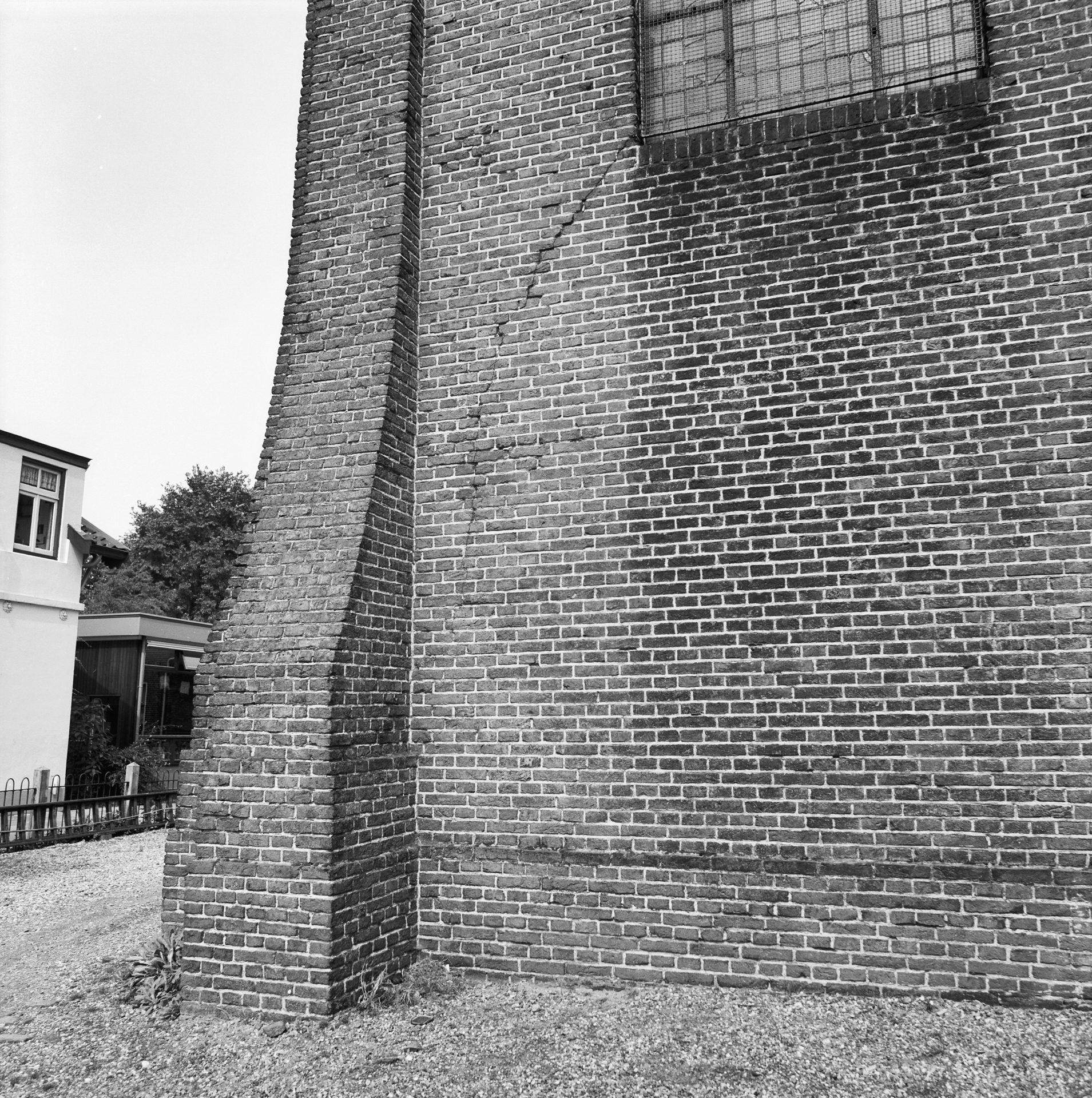
Helical piers rarely hurt a home sale. Undocumented settlement does. A house with a settled corner that was piered, warrantied, and papered up usually sells like any other house. A house with visible cracks, sloping floors, and no repair history scares off buyers, spooks lenders, and gets you lowball offers or a busted contract.
Gerard Dukker / Wikimedia Commons, CC BY-SA 4.0
So the question is less "will piers hurt my sale" and more "do I have the paperwork to prove the problem is handled." That's what this post covers: how repair affects resale, what to do when the inspector finds settlement mid-deal, what paperwork buyers and lenders actually want, and what to check if you're the one buying a piered house.
Quick note on who's writing. Helical Pier Installation Directory is a matching service. You tell us what's going on, we introduce you to a vetted local pier contractor, and they inspect and quote. Free for homeowners. You can request a foundation match any time, including mid-transaction when the clock is ticking.
Does foundation repair affect resale value?
Here's the honest picture, as a directory that watches these jobs come and go.
A properly piered house sells fine. Buyers and agents in settlement-heavy markets see piers all the time. In clay country, a large share of homes over 20 years old have had some foundation work. Piers with a transferable warranty are close to a non-event. Some buyers actually prefer a piered house because that section is now sitting on steel instead of dirt.
An unpiered house with visible settlement takes a hit. Buyers do rough math in their heads: "foundation problem" equals "$20,000 I don't know about." They either walk, or they knock way more off the price than the repair would cost. Agents call this the fear discount. It's usually bigger than the actual bill.
Piers with no paperwork land in the middle. The buyer's inspector sees brackets and asks questions. If you can't produce a warranty, a pier layout, or an engineer's letter, the buyer treats it like unknown work. You lose most of the value of having done the repair.
So the money math is simple. A $12,000 pier job with a transferable warranty usually protects more than $12,000 of sale price. Skipping it and hoping the buyer doesn't notice almost never works, because their inspector will notice.
The inspector found settlement. Now what?
This is the most common way foundation issues come up in a sale. The buyer's home inspector writes "evidence of foundation movement, recommend evaluation by a foundation specialist." Everyone panics. Here's the play for each side.
If you're the seller:
- Get a real evaluation fast. A home inspector's note is a flag, not a diagnosis. A foundation inspection with elevation readings tells you what's actually moving and how much. Many contractors can get out within days when there's a closing date.
- Get a written quote with a pier layout. Now you have a number instead of a fear.
- Decide: repair before closing, or credit the buyer. More on that below.
- Hand the buyer the evaluation either way. Hiding it makes everything worse and in most states you now have a disclosure duty once you know.
If you're the buyer:
- Ask for the seller's foundation history and any prior warranty.
- Get your own evaluation. Use a contractor or an independent engineer, and get a pier count in writing. Our take on which to use is in what a foundation evaluation includes.
- Negotiate from the quote. Ask for the repair to be done before closing with a transferable warranty, or ask for a credit that covers the quote plus a cushion for cosmetic work.
- Talk to your lender early. Some loans want the repair finished before funding.
The inspection window is short. Move quickly and get everything in writing.
Repair before listing, or credit the buyer?
Both work. Here's how to think about it.
Fix it before you list when:
- The problem is visible (cracks, sloping floors). Fixing it removes the fear discount from day one.
- You have time. Most pier jobs take one to three days, plus a week or two for scheduling.
- You want the widest buyer pool. FHA, VA, and some conventional lenders balk at active foundation issues.
- You can get a transferable warranty. That's the thing you're really selling.
Credit the buyer instead when:
- You're already under contract and the buyer wants to pick their own contractor.
- The buyer plans to renovate that area anyway.
- The problem is minor and stable, and an engineer's letter says so.
One thing to avoid: the cheapest possible repair with a weak warranty just to get through closing. Buyers' agents know the difference. A thin warranty from a fly-by-night crew gets discounted almost like no repair at all.
What paperwork buyers and lenders want
This is the checklist. If you've had piers installed, dig these out before you list. If you're about to have them installed, ask the contractor for every item.
- Transferable warranty document. The actual paper, with the transfer terms. Some transfer automatically. Some require a form and a small fee within a set window after sale. Buyers care about this more than anything else on the list.
- Pier layout drawing. Shows where every pier is and the total count.
- Torque logs for helical piers. Each pier's installation torque, which proves it reached load-bearing soil. This is the receipt that the install was done right. Push pier jobs have pressure logs that serve the same purpose.
- Engineer's report or letter, if there was one. A stamped letter saying the repair was completed per plan carries weight with lenders.
- Elevation survey, before and after if you have both.
- Permit and final inspection, if your city required one.
- Paid invoice showing the contractor, date, and scope.
Put it all in one folder and give it to your agent. Half the value of a pier job is that folder.
Do I have to disclose foundation repair?
Almost certainly yes, and you should want to. Most states have a seller's disclosure form that asks directly about foundation problems and prior repairs. Known settlement, prior pier work, and current cracks all belong on it. Go check your state's form and talk to your agent, because the exact wording varies.
Here's why disclosure helps you. Disclosed piers with a warranty read as "problem solved." Undisclosed piers found by the buyer's inspector read as "what else are they hiding." Same piers, very different negotiation.
Buying a house with helical piers: what to check
If you're the buyer and the house already has piers, this is your list.
- Is the warranty transferable, and what does it cover? Most cover stabilization at the piered spots. Few cover new settlement in areas that weren't piered. Read it.
- Who installed them, and are they still in business? A warranty from a closed company is paper.
- How many piers, and where? Compare the pier layout to the cracks you see. Piers on one corner and cracks on the opposite corner means the other corner may be next.
- When were they installed? Recent piers with a fresh elevation survey are ideal. Twenty-year-old piers with no paperwork need a new evaluation.
- Was there a lift, and what does the elevation survey show now? Get your own readings if there's any doubt.
- What about the rest of the house? Piers fix the piered section. Ask an inspector or engineer whether the unpiered sections look stable.
None of this should scare you off. A piered section is usually the most stable part of the house. Just make sure the paperwork matches the steel in the ground.
What a transferable warranty actually means
Read the fine print on these three things:
- Transfer mechanics. Automatic, or does the new owner have to register within 30 or 60 days? Is there a transfer fee? Missing the window can void it.
- What's covered. Usually: the piered section won't settle more than a set amount, and if it does, the contractor comes back and adjusts. Often excluded: cosmetic damage, heave, new movement in unpiered areas, and damage from plumbing leaks or flooding.
- Length. Ten years, 25 years, lifetime of the structure. Longer sounds better, and it only matters if the company is around to honor it.
Most warranties cover the piers, and the piers almost never fail. What actually happens over time is a different part of the house starts moving. That's why buyers should read the pier layout as carefully as the warranty.
Can piers go in before closing?
Usually yes. A typical residential job is one to three days of work. Scheduling is the bottleneck. In busy markets like the whole Dallas area, good crews can book out a couple of weeks in peak season, and a closing date gets you moved up more often than you'd think.
Timeline that works:
- Day 1 to 3: evaluation and quote
- Week 1 to 2: schedule, permit if needed
- Install: 1 to 3 days
- Same week: warranty issued, torque logs delivered, engineer's completion letter if one was involved
Build in a little slack for weather and for the engineer's letter. Lenders sometimes want that letter in hand before funding.
Cost for reference: most jobs land between $8,000 and $30,000 depending on pier count, access, and soils, per industry cost guides (Angi/HomeGuide 2026). Full breakdown in helical pier cost. Details on the work itself in helical pier installation.
FAQ
Does a house with helical piers lose value?
Usually no, as long as the work is documented and the warranty transfers. Buyers and lenders in settlement-heavy markets treat piered houses as normal. The value loss comes from visible, unrepaired settlement or from repairs with no paperwork.
Should I tell buyers about foundation repair?
Yes. Most state disclosure forms ask about it directly, and hiding a known repair can create legal exposure. Disclosed, warrantied repair reads as a solved problem. Go check your state's disclosure form and confirm with your agent.
The buyer's inspector found settlement. Will the deal fall through?
Often not, if you move fast. Get a real evaluation with elevation readings and a written quote within days. Then offer to repair before closing with a transferable warranty, or credit the buyer the quoted amount. Buyers walk when sellers stall or refuse to engage.
Will a lender approve a mortgage on a house with foundation issues?
Active, unrepaired settlement can hold up FHA, VA, and some conventional loans until it's fixed or an engineer signs off. A completed pier repair with a warranty and an engineer's letter usually clears the way. Ask the lender early what they'll want to see.
How do I transfer a foundation warranty to the buyer?
Read the warranty. Some transfer automatically. Many require a transfer form and a small fee, submitted to the contractor within a window after closing, often 30 to 60 days. Put the transfer on your closing checklist so the buyer doesn't lose it.
Is it better to fix the foundation or lower the price?
Fixing usually wins. The buyer's fear discount is typically bigger than the repair cost, and an unrepaired foundation shrinks your buyer pool by scaring off some lenders. Lowering the price makes sense mainly when you're already under contract and the buyer wants to control the repair.
What if the seller had piers installed but has no paperwork?
Ask for the contractor's name and call them. Most keep records and can reissue a warranty copy or torque logs. If the contractor is gone, get an independent engineer to evaluate the house today. Fresh elevation readings matter more than a missing old warranty.
Selling or buying a house with a foundation question?
Either way, you need a number, a drawing, and a warranty you can hand to the other side. That's what turns a scary inspection note into a normal line item in the deal.
Request a foundation match and we'll introduce you to a vetted local pier contractor who works on closing timelines and issues transferable warranties. Free for you, no obligation.
One last thing agents know and most homeowners don't. The buyer's fear discount is almost always bigger than the repair bill. If you're weighing "fix it" against "hope they don't notice," fixing it is usually the cheaper option, even when the math on paper says otherwise.