Tue Sep 01 2026 00:00:00 GMT+0000 (Coordinated Universal Time)
Signs You Need Foundation Piers (and Which Cracks Are Fine)
Signs you need foundation piers: stair-step cracks, sloping floors, sticking doors, and the cracks you can ignore. Plus what to do next. Free local match.
The clearest signs you need foundation piers are stair-step cracks in brick or block, floors that slope toward one side of the house, doors and windows that stick in the same corner, and cracks that keep getting wider. One of those on its own might be nothing. Two or three of them clustered in the same part of the house usually means that section is settling, and piers are the normal fix.
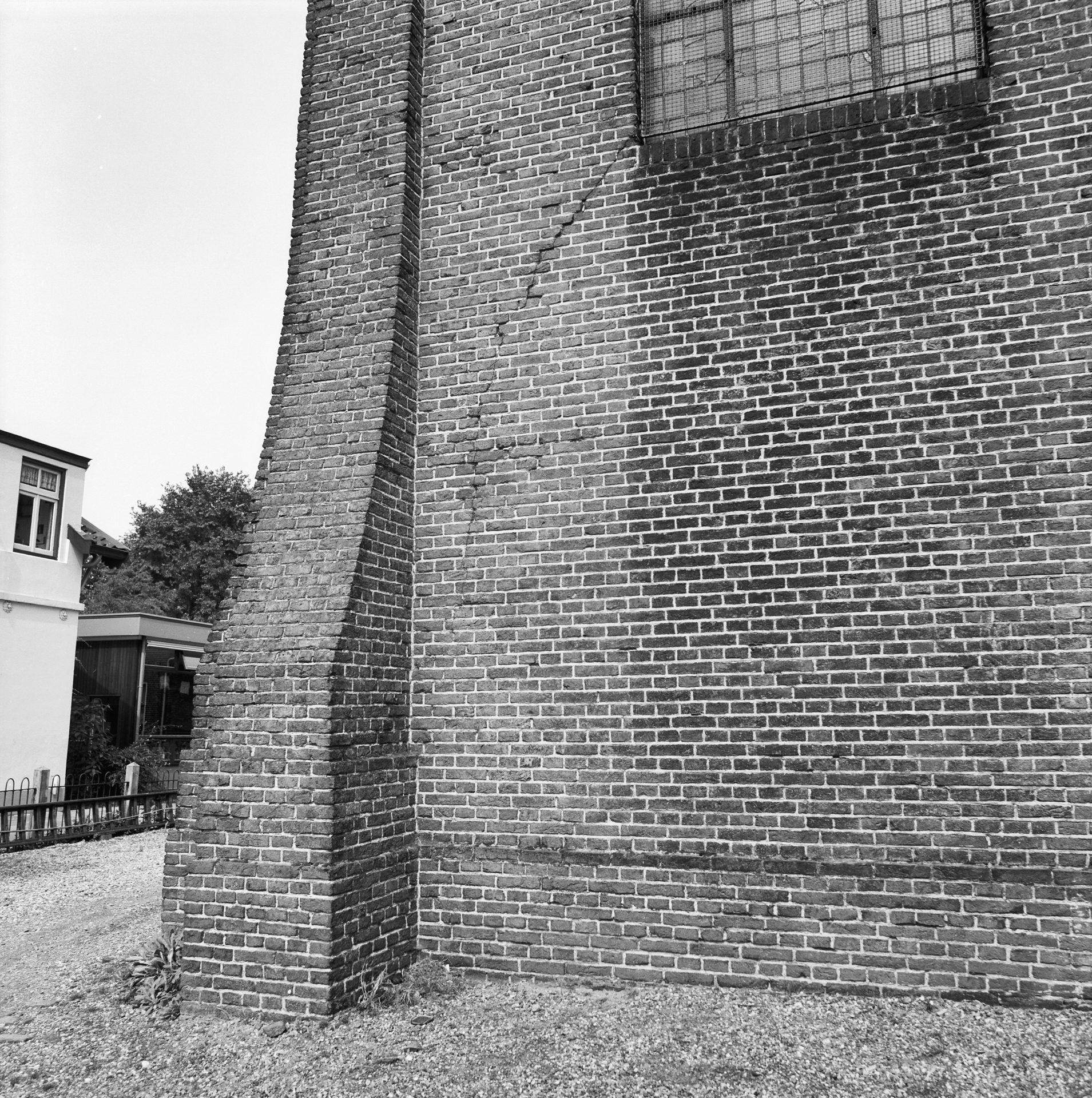
Gerard Dukker / Wikimedia Commons, CC BY-SA 4.0
Piers work by reaching below the soil that's moving and holding that section of foundation on firm ground. They stop the sinking. They can often lift the section back toward level.
This post walks through each sign, what it looks like, which cracks you can safely ignore, and a 20-minute check you can do yourself before you call anyone.
Quick note on who's writing this. Helical Pier Installation Directory is a matching service. You tell us what you're seeing, we introduce you to a vetted local pier contractor, and they inspect and quote. Free for homeowners. You can request a foundation match any time.
What does foundation settlement actually look like?
Settlement means part of your foundation is sinking and the rest is staying put. That difference is what does the damage. A house that sinks evenly across the whole footprint would barely show it. A house where one corner drops two inches and the other three corners stay where they are will crack and pull apart at every stiff point in between.
So the pattern you're looking for is a cluster. Cracks, sticking doors, and sloping floors that all point toward the same corner or the same wall. That's a settling section. Random cracks scattered all over the house with no pattern usually mean something else, often normal drying and shrinkage, sometimes seasonal soil movement.
Here's the short list of what settlement looks like:
- Stair-step cracks in brick, block, or stone
- Floors that slope, sag, or bounce
- Doors and windows that stick, or that swing open on their own
- Diagonal cracks in drywall running from door and window corners
- Gaps opening between walls and ceilings, or between baseboards and floors
- Chimney tilting or pulling away from the house
- Cracks in the slab or the foundation wall itself
- Exterior trim, siding, or brick pulling apart at corners
Let's go through the big ones.
Stair-step cracks in brick or block
This is the one every contractor looks for first. A stair-step crack follows the mortar joints in a zig-zag pattern, stepping up and over like a staircase. It happens because mortar is weaker than brick, so when the wall is being pulled or twisted, the crack finds the mortar and follows it.
What it tells you:
- Where it is points to which section is moving. A stair-step crack near a corner almost always means that corner is dropping.
- Which way it goes matters. A crack that gets wider at the top usually means the wall is being pulled apart because the ground under one end is sinking. A crack wider at the bottom can mean the middle is dropping.
- How wide it is tells you how far things have moved. Hairline stair-steps are common and often stable. Anything you can slide a quarter into is past cosmetic.
Take a photo of it with a coin for scale and write the date on the photo. Check again in three months. Growing cracks need piers. Cracks that haven't changed in a year are usually old movement that already stopped.
Sloping or uneven floors
This is the sign people feel before they see it. A ball rolls to one side of the room. Furniture wobbles. Your feet notice a lean walking down a hallway.
Some slope is normal, especially in older houses. Contractors and engineers generally start caring around one inch of drop across 20 feet. Under that is often just an old house being an old house. Over that, and especially if it's getting worse, the section is likely settling.
How to check it:
- Set a marble or a golf ball on the floor in a few rooms. Watch where it goes.
- Use a 4-foot level. Put it on the floor in the center of the room and near the walls. See which direction the bubble leans.
- If you have a phone, most have a level app that gets you close enough.
A floor that slopes toward the same corner where you have stair-step cracks and a sticking door is about as clear as it gets.
One caution. On a pier-and-beam house, a sagging floor can be a rotten beam, a failed interior pier, or a crawlspace moisture problem, none of which get fixed with exterior piers. Sloping floors plus a musty crawlspace means get the crawlspace looked at first.
Doors and windows sticking
When part of the house drops, the door frames above it twist out of square. The door rubs at the top corner on one side and shows a growing gap on the other. Windows do the same thing and can get hard to lock.
The tell is location. One sticking door in a humid summer is normal wood swelling. Three doors and two windows in the same corner of the house, sticking year-round, is settlement.
Also watch for doors that swing open or closed on their own. That means the frame has racked enough that the door is no longer hanging plumb.
Cracks in drywall: which ones matter
Drywall cracks scare people more than they should. Most of them are harmless. Here's how to sort them.
Probably fine:
- Hairline cracks at drywall seams, especially in ceilings
- Straight vertical or horizontal cracks that follow the edge of a sheet
- Nail pops
- Small cracks that appear after a very dry or very wet season and then stay the same
Worth watching:
- Diagonal cracks running from the corner of a door or window frame. These follow the stress line when a wall twists.
- Cracks wider than about an eighth of an inch
- Cracks that keep coming back after you patch them
Call someone:
- Diagonal cracks in multiple rooms that all point the same direction
- Gaps opening between the wall and the ceiling, or the wall and the floor
- Cracks paired with sloping floors or sticking doors in the same area
Same rule as brick. Photo, coin for scale, date, check again in three months.
Exterior signs most people miss
Walk the outside of the house once a year. Look for:
- Chimney pulling away. Chimneys are heavy and often sit on their own footing. When that footing settles, the chimney tilts and a gap opens between it and the house. This is a common pier job on its own.
- Gaps at the corners where two runs of brick or siding meet.
- Cracks in the foundation wall or slab edge, especially diagonal or stair-stepped ones in poured concrete or block.
- Windows and doors out of square from the outside. Look at the gap between the frame and the brick.
- Soil pulling away from the foundation. A gap between the dirt and the slab edge means the soil has dried and shrunk. That's expansive clay doing its thing, and it's often the start of settlement.
Sinking foundation vs heaving foundation
This one matters because they look almost the same from inside the house and they get fixed in completely different ways.
Sinking (settlement) means the soil under part of the house has compressed, washed out, or dried and shrunk, and that section has dropped. Piers fix this. They go below the bad soil and hold the footing on something solid.
Heaving means the soil has swelled and pushed part of the house up. Usually that's expansive clay soaking up water from a leak, a broken sprinkler line, or bad drainage. Piers do nothing for heave. The fix is finding the water and stopping it, then letting the soil settle back.
How to tell them apart:
- Heave tends to show up in the middle of the slab or near a plumbing line. Settlement shows up at corners and edges.
- Heave often comes with a wet or damp spot, a spiking water bill, or a sprinkler head right against the house.
- Heave cracks in a slab often push up. Settlement cracks drop.
- Heave problems tend to get worse in wet seasons. Settlement often gets worse in dry seasons when clay shrinks.
If you're in clay country, and that covers a huge chunk of the Sunbelt including the whole Dallas area, both happen constantly, sometimes on the same house. A contractor who quotes piers without asking about drainage or plumbing leaks is skipping half the diagnosis.
The 20-minute home check
Do this before you call anyone. It'll make the conversation with a contractor ten times more useful.
- Walk the outside. Note every crack in brick, block, or concrete. Photo each one with a coin.
- Check every exterior door and window. Which ones stick? Which corner of the house are they in?
- Roll a ball in each room. Note which way it goes.
- Look up. Any gaps between walls and ceilings? Any diagonal cracks off door and window corners?
- Check the chimney. Is there a gap between it and the house?
- Check the ground. Is soil pulling away from the foundation anywhere? Any wet spots? Sprinkler heads spraying the house?
- Draw a rough floor plan and mark every issue on it.
Now look at your drawing. If everything clusters in one corner or along one wall, you've probably got a settling section. If it's scattered with no pattern, you may be fine, or the issue may be something other than settlement.
What to do next
If you've got a cluster, get a foundation inspection. Two options:
- A pier contractor's inspection. Often free. They'll measure, diagnose, and quote. Fast and convenient, and it is a sales visit, so expect a quote.
- An independent engineer's evaluation. Often a few hundred dollars. You get a written report and a pier layout that any contractor can bid on. Worth it for bigger jobs, for older houses, and when you're about to sell.
Either way, you'll end up with a pier count and a price. Most jobs land in the $8,000 to $30,000 range depending on how many piers, access, and soils. Full breakdown here: helical pier cost. The two main pier types are helical pier installation and push pier installation, and the contractor will pick based on your house weight and soil.
If you'd rather skip the research, that's what we're for. We match you with a vetted local contractor who does this every day.
FAQ
What are the first signs of foundation settlement?
Usually a door or window that starts sticking, followed by a diagonal crack in the drywall near it, then a stair-step crack in the brick outside on the same corner. Floors that slope come later as the section drops further. The key is that they cluster in one area of the house.
Are stair-step cracks in brick always a foundation problem?
Almost always they mean something moved. Whether it's still moving is the real question. Hairline stair-step cracks that haven't changed in a year are often old settlement that already stopped. Cracks wider than a quarter inch, or cracks that keep growing, usually need piers.
How much floor slope is too much?
Most engineers start paying attention around one inch of drop over 20 feet. Older houses often have some slope that's been stable for decades. Slope that's getting worse, or slope paired with cracks and sticking doors in the same area, is worth an inspection.
Do sticking doors always mean foundation problems?
No. Humidity swells wood, and one door sticking in July is normal. Several doors and windows sticking in the same corner year-round, especially with cracks nearby, points to settlement. Doors that swing open on their own are a stronger sign because it means the frame has racked.
Can a sinking foundation fix itself?
Rarely. Soil that has compressed or washed out stays that way. Clay that shrank in a drought can swell back some when it rains, which is why cracks in clay country open and close with the seasons. That movement is its own problem and it wears the house out over time. Piers stop the cycle.
How fast does a foundation settle?
It varies a lot. Some houses drop an inch over 20 years. Others drop that much in one bad drought summer. The rate matters less than the direction. If your photos show cracks widening over a few months, the section is actively moving and waiting will only add piers to the job.
Should I get piers or fix drainage first?
If the problem looks like heave (wet spots, cracks pushing up, worse in rainy seasons) fix water first. If it looks like settlement (corners dropping, cracks widening in dry seasons) piers are the fix, and you should still clean up drainage so the rest of the house stays put. A good inspector will address both.
Seeing two or more of these signs in the same corner?
That's the pattern. The longer a section keeps moving, the more piers it takes to stop it and the more cosmetic damage stacks up inside.
Request a foundation match and we'll introduce you to a vetted local pier contractor. They'll inspect, tell you whether you actually need piers, and give you a written quote with a pier layout. Free for you, no obligation.
Bring your photos and your floor plan drawing to that inspection. A homeowner who walks in with dated photos of every crack gets a more honest quote, because the contractor knows you've been paying attention.