Tue Sep 01 2026 00:00:00 GMT+0000 (Coordinated Universal Time)
Helical Pier Warranty: What It Covers and What It Doesn't
Helical pier warranty explained: what's really covered, lifetime vs 10-year, transferable warranties, and the fine print to read before you sign. Free match.
A helical pier warranty almost always covers one thing: the section of foundation sitting on the piers will stay put, and if it settles again, the contractor comes back and adjusts it. That's it. It covers the piers and the footing they're holding. It usually covers nothing else. Cosmetic cracks, heave, movement in parts of the house that weren't piered, and damage from leaks or floods are typically excluded.
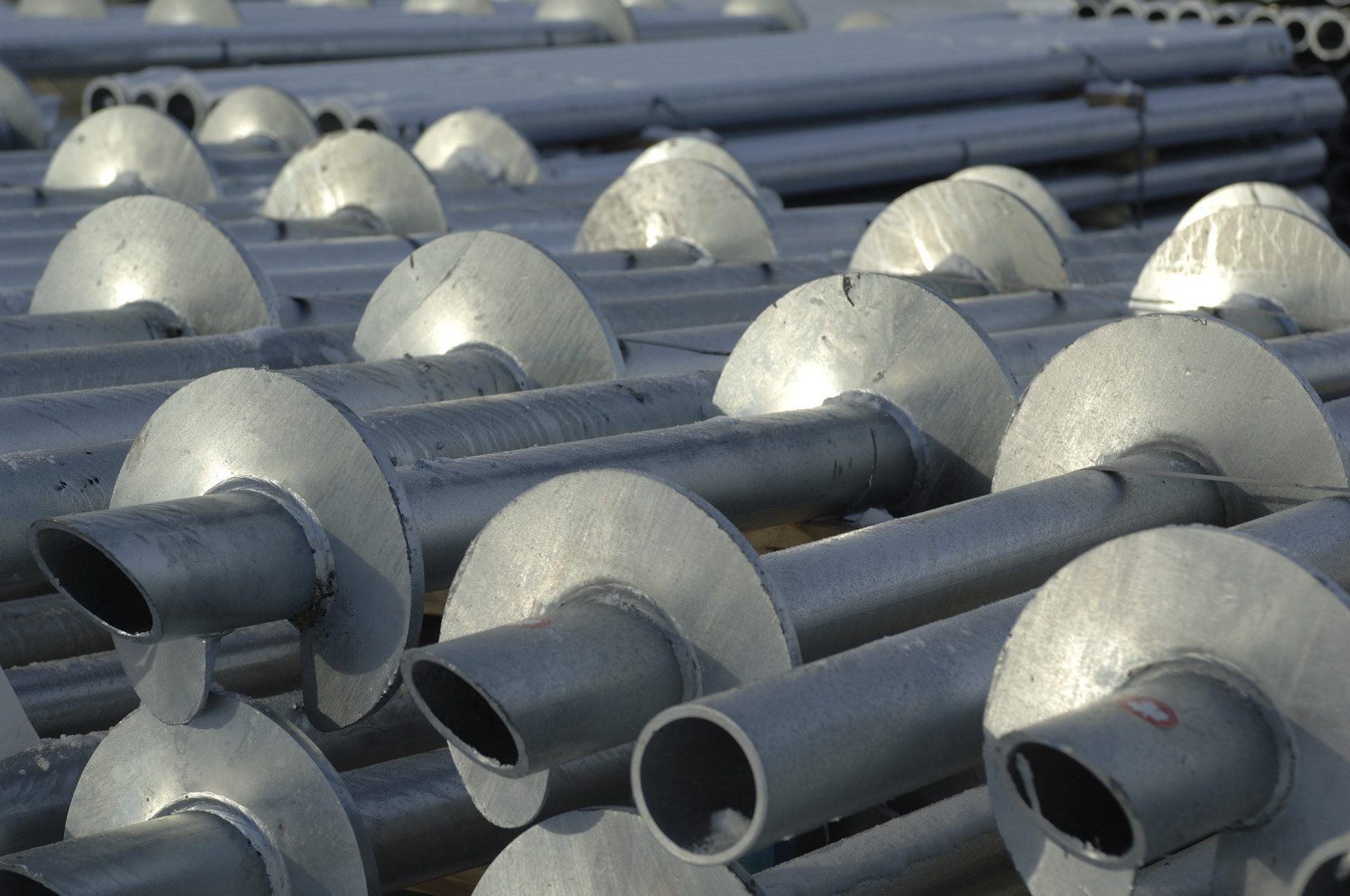
Sandra Thornton / Wikimedia Commons, CC BY-SA 4.0
Most warranties run 10 years, 25 years, or "lifetime of the structure," and many transfer to the next owner if you follow the transfer rules. The length matters less than two other things: whether the company will still exist to honor it, and whether the piers were installed right in the first place.
This post walks through what's covered, what's excluded, lifetime vs 10-year, how transfers work, and the fine print to read before you sign anything.
Quick note on who's writing. Helical Pier Installation Directory is a matching service. We introduce you to a vetted local pier contractor, and that contractor does the work and issues the warranty. Free for homeowners. You can request a foundation match whenever you're ready.
What does a helical pier warranty actually cover?
Read a few of these and they all say roughly the same thing.
The promise: the piered portion of the foundation will not settle beyond a stated tolerance. If it does, the contractor returns and re-lifts or adjusts the piers at no charge.
The tolerance: varies. Some say "any measurable movement." Some say a fraction of an inch. Some say one inch over a set distance. Ask what the number is. A warranty with no tolerance stated leaves the contractor to decide what counts as "settled."
What "adjust" means: the crew digs down to the bracket, re-jacks the footing, and locks it off again. On a good install this almost never needs to happen, because the pier is sitting in soil that hit torque and that soil is below the zone that moves.
The steel: many pier manufacturers back the steel itself against defects and corrosion for a long stretch. That's a separate document from the contractor's install warranty, and it's worth asking for both.
So the warranty covers the piers doing their job. It does nothing for everything else that can go wrong with a house on moving soil.
What's usually excluded
This is the list that surprises people. Most warranties leave out:
- Cosmetic damage. Drywall cracks, brick mortar cracks, tile, trim, paint. Even cracks caused by the lift itself.
- Unpiered sections. If you piered the west corner and the east corner starts dropping two years later, that's a new job. The warranty covers the steel that's in the ground.
- Heave. Piers hold a foundation up. They can't hold it down. Clay that swells from a leak or bad drainage and pushes the slab up is excluded almost everywhere.
- Water damage. Plumbing leaks, sewer breaks, flooding, and drainage problems. Many warranties say plainly that a leak near the piers voids coverage until it's fixed.
- Changes to the property. Adding a pool, a big addition, removing or planting large trees near the foundation, or regrading against the house.
- Acts of nature. Earthquakes, floods, sinkholes.
- Work by others. If another contractor touches the piers, coverage often ends.
None of this makes the warranty bad. It makes it honest. Piers fix settlement at the piered spots. The rest of the house is still sitting on the same dirt.
Lifetime vs 25-year vs 10-year: does it matter?
Less than the sales pitch suggests. Here's the honest read.
10-year warranties are common with smaller contractors and on lighter jobs. They cover the window when a bad install would show up. Most pier failures, if they happen at all, happen early.
25-year warranties are common with mid-size regional companies.
Lifetime warranties usually mean "lifetime of the structure," and they're standard with the big national brands and the manufacturers' dealer networks. Sounds great. Read what "lifetime" means in the document, because sometimes it's "as long as the original owner lives there," and sometimes there are transfer limits.
The thing nobody says out loud: a lifetime warranty from a company that closes in five years is a 5-year warranty. A 10-year warranty from a contractor who's been around 30 years and will be around 30 more is probably the stronger paper.
What to weigh instead of the number:
- How long has the company been in business?
- Is the warranty backed by a manufacturer's dealer program, so another dealer can honor it if this contractor closes?
- Are they installing torque-verified piers with logs you'll receive? A documented install is worth more than a long promise.
Some contractors offer both: a contractor install warranty plus the manufacturer's dealer-network backing. That combination is the one to look for.
Is the warranty transferable?
Most are. The details decide whether it actually transfers.
- Automatic transfer. The warranty follows the house. Rare, and the best version.
- Transfer with a form and a fee. The new owner submits a transfer request, often within 30 to 90 days of closing, sometimes with a small fee. Common. Miss the window and it can be void.
- One transfer only. Some warranties transfer once and then stop.
- Non-transferable. Coverage ends when you sell. Worth avoiding if you might sell in the next decade.
If you're selling, put the transfer on your closing checklist and hand the buyer the form. If you're buying, ask for the warranty before you close and confirm the transfer terms. More on that in helical piers and selling your house.
Manufacturer warranty vs contractor warranty
Two different documents. Get both.
Manufacturer warranty. Covers the steel pier and bracket against defects and corrosion. Often long, sometimes lifetime. It does nothing if the pier was installed wrong or too shallow. It's the product, not the work.
Contractor warranty. Covers the install and the promise that the piered section stays put. This is the one that gets you a crew back in your yard.
Dealer network backing. Some manufacturers certify contractors as dealers and will send another dealer to honor the warranty if your contractor goes out of business. Ask whether your contractor is part of one, and get that in writing too. This is the closest thing to insurance against the "company closed" problem.
What happens when you make a claim
Say the piered corner shows new movement three years in. Here's the normal path:
- You call. Describe what you see. Send photos.
- They inspect. Usually a free visit under the warranty. They take elevation readings and compare to the post-install survey.
- They decide if it's covered. Movement at the piered section beyond tolerance: covered. Movement in an unpiered section: new quote. Heave from a leak: fix the leak, then they'll look again.
- They adjust. Dig to the brackets, re-jack, lock off. Usually a day.
Two things make claims go smoothly. A post-install elevation survey, so there's a baseline to compare against. And your folder: pier layout, torque logs, warranty, invoice. Without the baseline, "it moved" turns into an argument. Ask the contractor to take elevation readings right after the lift and to give you a copy. Details on what you should get at the end of the job are in helical pier installation process.
The fine print to read before you sign
Sit down with the warranty and find the answer to each of these. If the document doesn't say, ask and get the answer added in writing.
- What's the settlement tolerance? A number, in inches or fractions.
- What exactly is covered? Piers and footing only, or anything else?
- What voids it? Leaks, drainage, trees, other contractors, additions.
- Is it transferable, and how? Form, fee, window, number of transfers.
- Who backs it if you close? Manufacturer dealer network or nothing.
- What does a claim visit cost? Should be free. Some charge a trip fee.
- Are there maintenance requirements? Some warranties require you to keep drainage in order and fix leaks promptly. Reasonable, and you should know.
- Does it cover re-lift, or stabilization only? Some say they'll stop further movement without promising to bring it back up.
Go check all of this with the actual document in hand. Warranty terms vary a lot between contractors, and the salesperson's summary sometimes leaves out the part that matters.
Warranty red flags
- "Lifetime warranty" with no document to show you. No paper, no warranty.
- No tolerance stated. Leaves coverage up to the contractor's judgment.
- Company under two years old offering a lifetime warranty with no manufacturer backing.
- Warranty tied to a maintenance plan you have to pay for every year to keep coverage.
- No torque logs promised. A warranty without proof of a torque-verified install is a promise without a receipt.
- Non-transferable on a job over $10,000. You're giving up a real chunk of the value.
- Coverage that excludes the lift on a job you're paying extra to lift.
Why torque logs matter more than the paper
Here's the part most homeowners skip.
A helical pier is verified during the install by the torque it took to drive it. Torque and holding capacity are related, so a pier that hit its target torque is sitting in soil strong enough to carry the load. That reading, logged for every pier, is the proof the job was done right.
A warranty is a promise about the future. A torque log is a fact about the past. If you have to pick one, take the log. A pier that hit torque in firm soil below the active zone will almost never move, warranty or not. A pier that got stopped short because the crew was in a hurry will move eventually, and then you'll find out what the warranty is really worth.
Ask for the logs. Ask for the as-built layout with depths. Keep them with the warranty. That folder does more for you than any promise on the cover page. Details on the torque-verified install are on our helical pier installation page, and push piers have a similar pressure log described on push pier installation.
In clay-heavy markets like the whole Dallas area, where the soil moves every season, the depth on that log is the single most useful number you'll own about your foundation.
FAQ
What does a helical pier warranty cover?
The piered section of the foundation staying put. If it settles beyond the stated tolerance, the contractor returns and re-adjusts the piers at no charge. Cosmetic cracks, heave, and movement in unpiered areas are almost always excluded.
Is a lifetime foundation warranty worth more than a 10-year warranty?
Only if the company will be around to honor it. A lifetime warranty backed by a manufacturer's dealer network is strong. A lifetime warranty from a new company with no backing is a hope. A 10-year warranty from a long-established contractor is often the safer paper.
Are foundation pier warranties transferable?
Most are, with conditions. Common terms require the new owner to submit a transfer form within 30 to 90 days of closing, sometimes with a fee. Some allow only one transfer. Read the transfer clause before you sign and again before you sell.
Does the warranty cover new cracks after the lift?
Almost never. Lifting a settled house straightens finishes that had settled into the crooked position, and some of them crack. Contractors treat this as expected cosmetic damage. Photograph every wall before install day so you know which cracks are new.
What voids a foundation warranty?
Common triggers: unrepaired plumbing leaks near the piers, poor drainage you were told to fix, major changes like a pool or addition, planting or removing big trees near the foundation, and another contractor working on the piers. Each warranty lists its own. Read that section closely.
What if my foundation contractor goes out of business?
If they were part of a manufacturer's dealer network, another dealer may honor the warranty. Ask about this before you hire. If there's no backing, the warranty is gone, and your best protection is the torque logs proving the install was done right in the first place.
Do push piers and helical piers have the same warranty?
Usually the same structure: stabilization of the piered section, with similar exclusions. Push pier jobs come with pressure logs instead of torque logs. Ask for the install records either way.
Want a contractor whose warranty means something?
The right questions to ask are the eight above. The right contractor answers them without flinching and hands you the paperwork before you ask.
Request a foundation match and we'll introduce you to a vetted local helical pier contractor. They'll inspect, give you a written quote with a pier layout, and show you the actual warranty document up front. Free for you, no obligation.
Last thought. The best warranty is the one you never use. That comes from a pier that hit torque in firm soil, logged and documented, with a post-lift elevation survey in your folder. Get those three things and the length on the cover page stops mattering much.