Tue Sep 01 2026 00:00:00 GMT+0000 (Coordinated Universal Time)
Drainage vs Foundation Piers: Which Fix Does Your House Need?
Drainage vs foundation piers: how expansive clay and poor drainage crack foundations, when a french drain fixes it, and when you need piers. Free match.
Drainage fixes water problems. Foundation piers fix sinking problems. A lot of houses have both, and the order matters. Piers hold a section of foundation on firm soil below the layer that moves. Drainage stops the water that makes the top layer swell, shrink, and wash out in the first place. Put piers under a house with a broken downspout dumping at the corner and you've fixed the symptom while the cause keeps running.
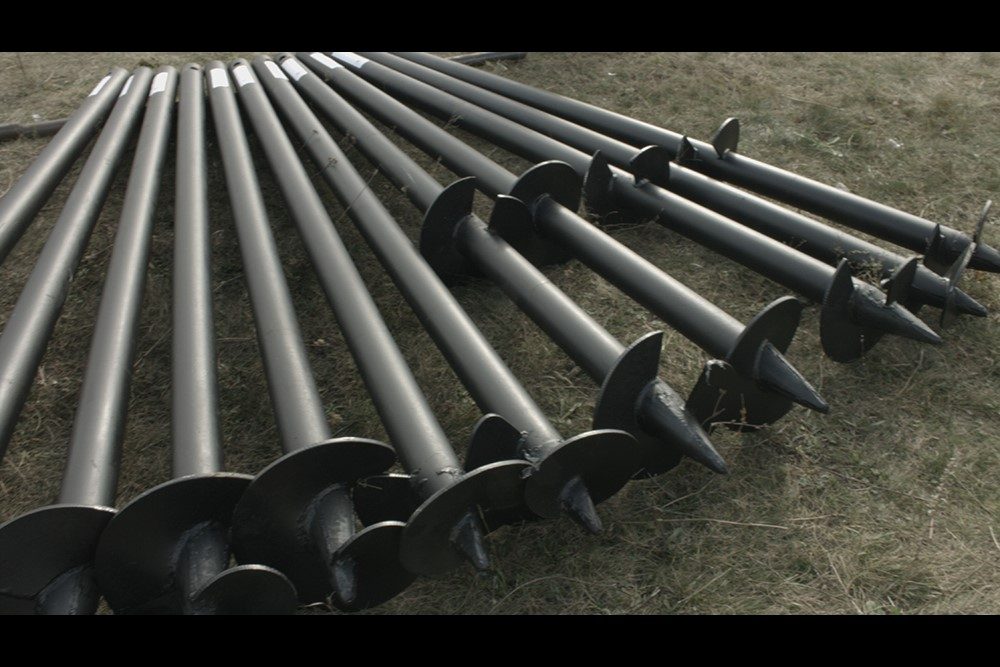
Maxim Vorontsov / Wikimedia Commons, CC BY-SA 4.0
Here's the rough sort:
- Cracks that open in dry seasons, corners dropping, stair-step cracks at a corner: that's settlement. Piers.
- Cracks that open in wet seasons, slab pushing up in the middle, wet crawlspace, water pooling at the house: that's water. Drainage first.
- Both patterns on the same house: fix the water, then pier the settled section. Very common in clay country.
This post covers how expansive clay does its damage, the drainage mistakes that cause most foundation problems, how to tell which one you have, and what a french drain does and doesn't do compared to piers.
Quick note on who's writing. Helical Pier Installation Directory is a matching service. We introduce you to a vetted local pier contractor, and they inspect and quote. If your problem is drainage, a good one will say so. Free for homeowners. You can request a foundation match whenever you're ready.
How expansive clay soil wrecks foundations
If you live anywhere across the Sunbelt, the Plains, or big chunks of the Mountain West, there's a good chance your house sits on expansive clay. Here's the short version of what it does.
Clay soaks up water and swells. It dries out and shrinks. The swing can be several inches of vertical movement over a season. Your foundation rides on top of that and moves with it, a little each year, for decades.
The damage comes from uneven movement. The clay under your patio dries out fast in August. The clay under the north side stays damp in the shade. The corner near the big oak dries out because the roots drink everything. Different parts of the foundation move different amounts, and the house cracks at the stiff points in between.
Two terms you'll hear:
- Active zone. The top several feet of soil that swings with the weather. Depth varies by region. In deep clay it can be 10 to 15 feet or more. Piers have to reach below it to do any good.
- Differential movement. One part moving more than another. This is what cracks brick and racks door frames.
Now the key insight for this whole post: expansive clay only moves when its moisture changes. Keep the moisture around the house even, and the movement drops way down. That's what drainage is really about.
Poor drainage foundation problems: the usual suspects
We see the same handful of causes on job after job. Walk your house and check each one.
Downspouts dumping at the foundation. Number one by a mile. A single downspout drains hundreds of gallons in a storm right into the soil at your corner. That corner swells in wet months and sinks when it dries. Fix: extensions or buried drain lines carrying water 6 to 10 feet away from the house.
Grading that slopes toward the house. Beds and lawn should fall away from the foundation, roughly 6 inches over the first 10 feet. Years of mulch, settling, and landscaping flatten that or reverse it. Water pools at the slab edge.
Sprinklers spraying the foundation. A head that hits the brick wall every other day keeps one strip of clay wet year-round while the rest dries out. Uneven moisture equals uneven movement.
Plumbing leaks under the slab. A slow leak in a supply line or a cracked sewer pipe pumps water into the clay under the middle of the house. The slab heaves. A spiking water bill, warm spots on the floor, or cracks pushing up in the middle are the tells.
Big trees near the house. A mature oak or elm pulls a huge amount of water out of the soil in summer. The clay on that side shrinks and the corner drops. Roots cause more settlement in clay country than most people realize.
No gutters at all. Roof runoff sheets straight down onto the soil around the whole perimeter.
Wet crawlspace. On pier-and-beam houses, standing water or high humidity rots beams and softens the soil under interior piers. Sagging floors follow.
Every one of these is cheaper to fix than piers. Some of them cost almost nothing. And every one of them, left alone, will keep working on the parts of your house that piers don't touch.
Settlement vs heave: which one do you have?
This is the fork in the road, so here's a quick field guide. The longer version with a 20-minute home check is in signs you need foundation piers.
Settlement (sinking) looks like:
- Problems at corners and along exterior walls
- Stair-step cracks in brick near a corner
- Floors sloping toward one edge of the house
- Gets worse in drought
- Soil pulling away from the slab edge in a gap
Heave (lifting) looks like:
- Problems in the middle of the slab or near plumbing lines
- Cracks in the slab that push up
- Floors humping in the middle of a room
- Gets worse in wet seasons
- Often paired with a leak, a sprinkler head against the house, or standing water
Piers fix settlement. Piers do nothing for heave. A pier holds the foundation up. It can't hold it down. So if your pattern is heave, a contractor quoting piers is quoting the wrong fix, and it's a red flag.
When drainage alone fixes it
More often than you'd think. Drainage is enough when:
- The movement is small and seasonal. Cracks open in one season and close in the next.
- You can find an obvious water source. A downspout at the crack. A sprinkler head on that wall. A leak.
- The elevation survey shows the house is within normal tolerance and the cracks are cosmetic.
- The problem is heave, full stop.
In these cases, fix the water, then wait through a full wet-dry cycle and re-check. A lot of houses stabilize once the moisture around them evens out.
Some regions also practice foundation watering during drought: soaker hoses around the perimeter to keep the clay from shrinking away from the house. It's common across Texas and the Southern Plains. It sounds backwards until you remember that even moisture is the goal, and bone-dry clay shrinks just as hard as soaked clay swells.
When you need piers
Drainage alone won't cut it when:
- A section has already dropped a meaningful amount, often an inch or more, and it's structural. Fixing the water stops future movement. It does nothing to lift what already sank.
- Cracks keep widening across seasons instead of opening and closing.
- The soil under a corner has been washed out or compressed for years and there's no firm layer near the surface anymore.
- An engineer's elevation survey shows differential movement past tolerance.
- You need the section lifted back toward level, for doors, floors, or a sale.
Piers reach below the active zone and hold that section on firm ground. Details on the two main types are on helical pier installation and in helical piers vs push piers. Typical cost is $2,000 to $4,000 per pier, with most jobs landing between $8,000 and $30,000 depending on pier count, access, and soils, per industry cost guides (Angi/HomeGuide 2026).
When you need both, and the order
This is the most common answer in clay country, so here's the sequence that works:
- Fix the water first. Downspouts, grading, sprinklers, leaks. Cheap and fast.
- Pier the section that already settled. Now the piers are going into soil that's stable, and you've removed the cause.
- Manage moisture going forward. Keep gutters clean, keep grading right, water evenly in drought.
Why this order: if you pier first and fix water later, the lift can be fighting active movement, and any part of the house that isn't piered is still getting hammered by the same water problem. Most pier warranties also require you to fix known drainage issues, and some are void if you don't. Fine print on that in helical pier warranty.
A good pier contractor will tell you this order without being asked. If they quote piers and never mention the downspout that's dumping on the crack, get a second opinion.
French drain vs foundation piers
People search this one a lot, so let's be direct. They aren't alternatives. They solve different problems.
A french drain is a gravel trench with a perforated pipe that collects groundwater and carries it away. It's for water that's pooling in the yard, seeping into a crawlspace or basement, or sitting against the foundation because the ground can't absorb it. Typical cost is a few thousand dollars for a residential run, more for long or deep installs, per industry cost guides (Angi/HomeGuide 2026).
Foundation piers transfer the weight of the house to firm soil below the active zone. They're for a foundation that has already settled and needs to be held or lifted.
So:
- Wet crawlspace, water against the house, heave: french drain or other drainage work.
- Settled corner, widening stair-step cracks, dropped floors: piers.
- Settled corner with water pooling at it: drainage first, then piers.
A french drain will never lift a sunken corner. Piers will never dry out a crawlspace. Anyone selling you one as a substitute for the other is selling what's on their truck.
Drainage fixes, roughly cheapest to priciest
Typical US ranges from industry cost guides (Angi/HomeGuide 2026). Local contractors quote the job.
| Fix | Typical cost | What it solves | |---|---|---| | Downspout extensions | Tens of dollars each | Roof water at the corners | | Sprinkler head adjustment | Nearly free | Uneven moisture on one wall | | Regrading beds and lawn edges | A few hundred to a couple thousand | Water pooling at the slab | | Gutters, if you have none | Low thousands | Perimeter runoff | | Buried downspout drain lines | Low thousands | Getting roof water well away from the house | | French drain | A few thousand | Groundwater, wet crawlspace or basement | | Root barrier | A few thousand | Trees drying out one side | | Plumbing leak test and repair | Few hundred for the test, repair varies | Heave from under-slab leaks | | Crawlspace moisture control | Varies widely | Rot and soft soil under interior piers |
Compare that whole table to a pier job. Most of it costs less than a single pier. That's why the honest advice is always to check the water first.
What a contractor should ask before quoting piers
If the person inspecting your house skips these, they're diagnosing with their eyes and their price list:
- Where do your downspouts drain?
- How's the grading around the foundation?
- Any sprinkler heads hitting the house?
- Any plumbing leaks, or a water bill that jumped?
- Any big trees within 20 feet of the foundation?
- Do the cracks open and close with the seasons, or keep growing?
- Wet crawlspace? Standing water anywhere after rain?
An inspection that covers water and takes elevation readings is what you want. More on that in what a foundation evaluation includes, and the service page is foundation inspection. In the Dallas area and most of the clay belt, the good contractors ask about water in the first five minutes.
FAQ
Can poor drainage cause foundation problems?
Yes, and it's the leading cause in clay soil. Water pooling at the foundation makes clay swell, and dry spells make it shrink. Uneven moisture means uneven movement, which cracks brick, racks doors, and drops corners. Downspouts dumping at the house are the single most common culprit.
Will fixing drainage fix my foundation?
It can stop further movement and it can close seasonal cracks. It cannot lift a corner that already sank. If the movement is small and seasonal, drainage alone often works. If a section has dropped a meaningful amount, you'll need piers too, and drainage should come first.
Do I need a french drain or foundation piers?
Different problems. A french drain moves water away from the house and solves wet crawlspaces, basements, and heave. Piers hold up a settled foundation. Water problem equals drainage. Sinking problem equals piers. Both problems equals drainage first, then piers.
How far should water drain from the foundation?
Get roof water at least 6 to 10 feet away from the house, farther in heavy clay. Grading should fall about 6 inches over the first 10 feet. Downspout extensions or buried drain lines are the cheapest way to get there.
Should I water my foundation during a drought?
In expansive clay regions, many engineers and contractors recommend it. Soaker hoses a foot or two out from the perimeter, run enough to keep the soil from cracking and pulling away from the slab. The goal is even moisture, so water the whole perimeter, not just the side that looks dry.
Can trees cause foundation settlement?
Yes, especially large ones within about 20 feet of the house in clay soil. Roots pull water out of the clay in summer, the soil shrinks, and that side of the house drops. Root barriers or removal are options, and piers may still be needed for the section that already settled.
Does homeowners insurance cover drainage or pier repair?
Almost never for slow settlement or soil movement. Sudden damage from a covered event, like a burst pipe, sometimes qualifies. Plan on paying out of pocket and check your policy's earth movement exclusion.
Still can't tell which one you need?
That's the normal state before an inspection. The answer comes from someone taking elevation readings and asking where your water goes.
Request a foundation match and we'll introduce you to a vetted local pier contractor. If your problem is drainage, a good one will tell you, and you'll have spent nothing. If it's settlement, you'll get a written quote with a pier layout. Free for you, no obligation.
Here's the thing that surprises most homeowners: on a lot of jobs, the $40 downspout extension does more for the long-term health of the house than the $20,000 in piers. The piers hold what they're under. The drainage protects everything else. Do both, in that order, and you're done thinking about your foundation for a long time.